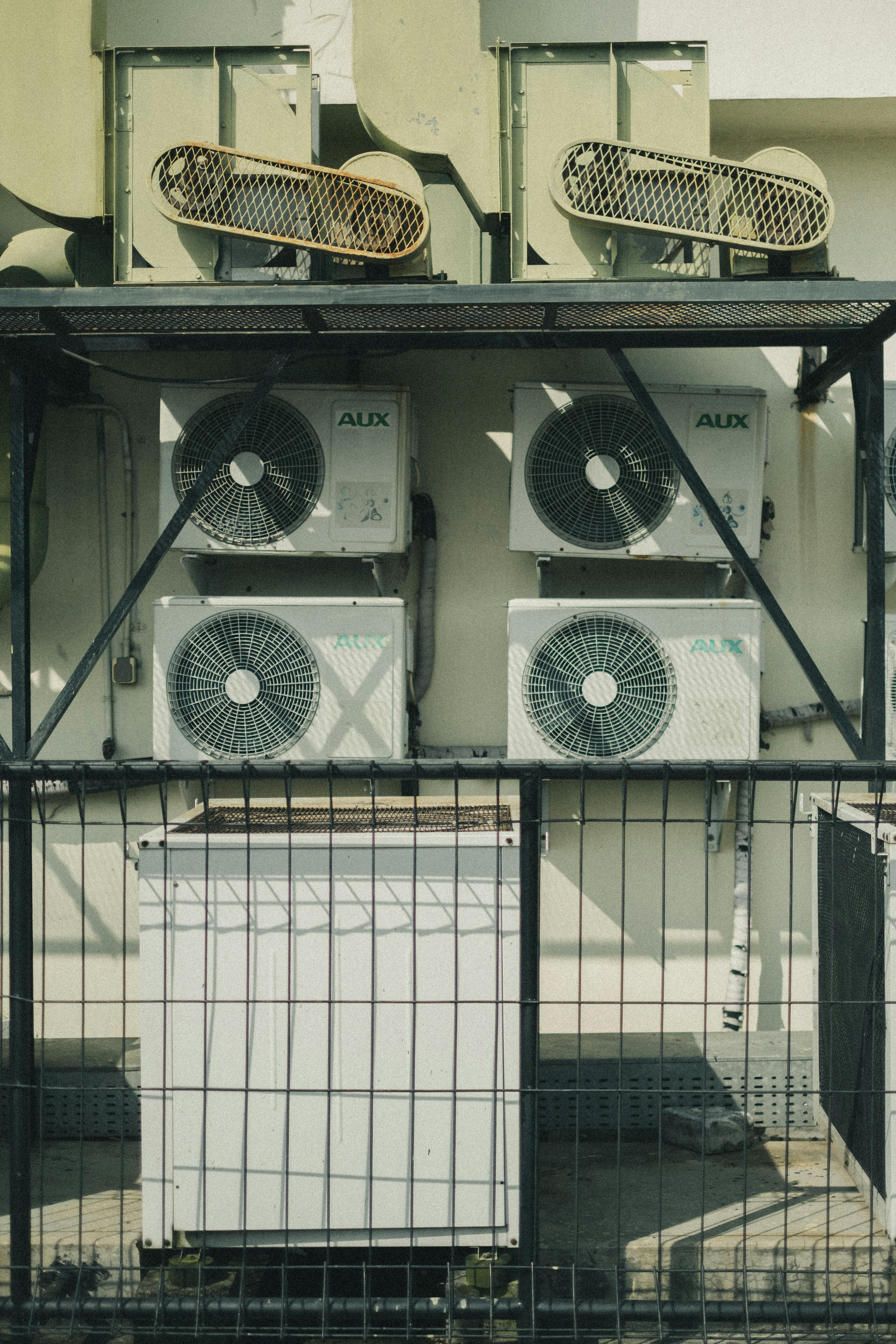
Enhancing HVAC System Performance with Advanced Automation Techniques Jul 20, 2026
Advanced automation in HVAC systems focuses on integrating smart technologies to improve system efficiency and reliability. By using automation, HVAC systems can operate at peak performance with minimal human intervention. This not only reduces energy consumption but also extends the life of the equipment. Incorporating automation means adapting to devices and software that can automatically adjust HVAC settings based on real-time data and environmental conditions, ensuring consistent comfort levels.
One of the primary aspects of automation is the use of smart thermostats. These devices allow for precise temperature control and scheduling, optimizing your HVAC operation according to actual needs. Unlike traditional thermostats, smart versions learn from your behavior and adjust settings to maximize efficiency. For instance, they can lower temperatures when a space is unoccupied and return to preferred settings before you arrive. This adaptive learning helps save energy and reduce utility bills.
Furthermore, the integration of sensors with HVAC systems plays a vital role. These sensors monitor various parameters such as temperature, humidity, and occupancy levels. By relaying this data to the HVAC unit, sensors help in fine-tuning the operation for maximum efficiency. The information gathered allows systems to preemptively address potential issues, minimizing downtime and maintenance costs.
Another crucial technology is the integration of IoT (Internet of Things) into HVAC systems. IoT-enabled devices collect and share data across a network, providing valuable insights into system performance and usage patterns. With IoT, HVAC systems can be remotely monitored and managed, offering convenience and ensuring continuous efficiency. This is particularly beneficial for businesses with multiple locations, as they can centralize their HVAC management to improve operational efficiency.
Predictive maintenance is a significant advantage of automation that cannot be overlooked. By analyzing historical data and current performance metrics, automated systems predict when maintenance is required, preventing unexpected breakdowns. This proactive approach to equipment care not only reduces costs associated with emergency repairs but also helps maintain a consistent, comfortable environment for occupants.
Lastly, automation contributes significantly to sustainability efforts. Energy-efficient HVAC systems reduce carbon footprints and contribute to greener operations. As more regions aim to reduce energy consumption, investing in automated HVAC solutions aligns businesses with broader environmental goals, enhancing their reputation as environmentally responsible entities.
Embracing advanced automation techniques in HVAC systems is not just a trend, but a necessary evolution for efficiency and sustainability. At Concord Mechanical, we are committed to guiding our clients through this transition. Our team of professionals is dedicated to integrating these advanced solutions, ensuring that your HVAC systems not only meet current needs but are also prepared for future demands.
As we continue to witness technological advancements, staying informed and integrating relevant innovations becomes essential. By leveraging advanced automation, Concord Mechanical empowers you to enhance HVAC performance, ultimately leading to greater energy savings, reduced operational costs, and a more sustainable future for all.
/filters:no_upscale()/filters:format(webp)/media/f33566a9-7675-47e0-b514-5506146551be.jpeg)
/filters:no_upscale()/filters:format(webp)/media/da1d9e96-6767-4a06-b76f-5f7234dda726.jpeg)