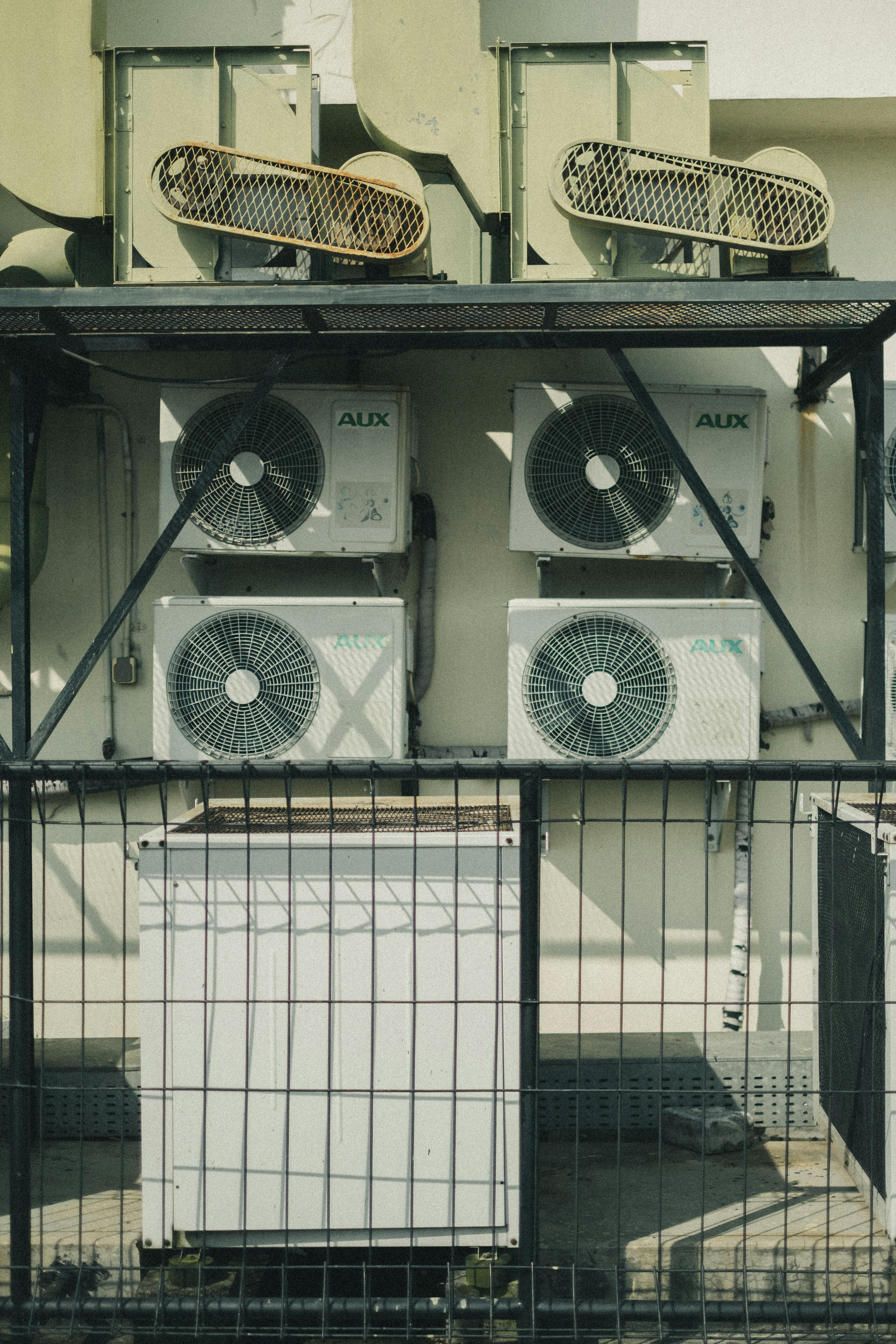
Green HVAC Innovations: Pioneering Sustainable Solutions for Future Homes May 22, 2026
The first major innovation is the use of smart thermostats and zoned systems. These technologies allow for precise control over heating and cooling, leading to significant energy savings. Smart thermostats learn your household's schedule and adjust the temperature accordingly, ensuring that your HVAC system is only working when needed. Meanwhile, zoned systems divide your home into different areas or zones, each of which can be heated or cooled independently. This tailored approach not only reduces energy consumption but also increases comfort by targeting specific areas that need more or less climate control.
One of the most promising advancements is the integration of geothermal heating and cooling systems. Unlike traditional systems that rely on burning fossil fuels, geothermal systems utilize the consistent temperature of the earth to regulate a home’s climate. By tapping into this renewable energy source, homeowners can drastically reduce their reliance on non-renewable resources. Although the initial setup cost is higher, the energy savings over time make it an attractive option for eco-conscious homeowners.
The concept of energy recovery ventilators (ERVs) is another groundbreaking development pushing the HVAC industry toward sustainability. These systems improve indoor air quality and energy efficiency by capturing heat from the air being exhausted from the home and transferring it to the incoming fresh air. Not only does this reduce the workload on your heating system, but it also ensures a steady influx of fresh air without wasting energy.
Solar-powered HVAC systems are also making waves in the field of green technologies. By using solar panels to generate energy, these systems can significantly cut down electricity bills and lessen the environmental impact of HVAC operations. Panel technology has advanced, making solar-powered solutions more accessible and efficient than ever before.
Beyond technology, green HVAC innovations also involve the use of eco-friendly refrigerants. Traditional refrigerants are known for their high global warming potential. However, newer alternatives like R-32 and R-410A are designed to have a much lower environmental impact. This change is crucial for reducing the overall carbon footprint associated with HVAC systems.
As we look to the future, Concord Mechanical is committed to educating our customers about these pioneering sustainable solutions. By choosing systems that incorporate these advanced technologies, homeowners can enjoy a comfortable indoor climate while contributing to a healthier planet. Our team is here to guide you through selecting and implementing the best green HVAC options tailored to your needs.
In conclusion, the move towards sustainable HVAC systems is not just a trend—it's a necessity for our planet's health. Concord Mechanical is proud to lead the charge in offering innovative solutions that provide superior performance and greater energy savings. As we harness the power of these emergent technologies, we invite you to join us in building a greener, more sustainable future for homes everywhere.
/filters:no_upscale()/filters:format(webp)/media/f33566a9-7675-47e0-b514-5506146551be.jpeg)
/filters:no_upscale()/filters:format(webp)/media/da1d9e96-6767-4a06-b76f-5f7234dda726.jpeg)