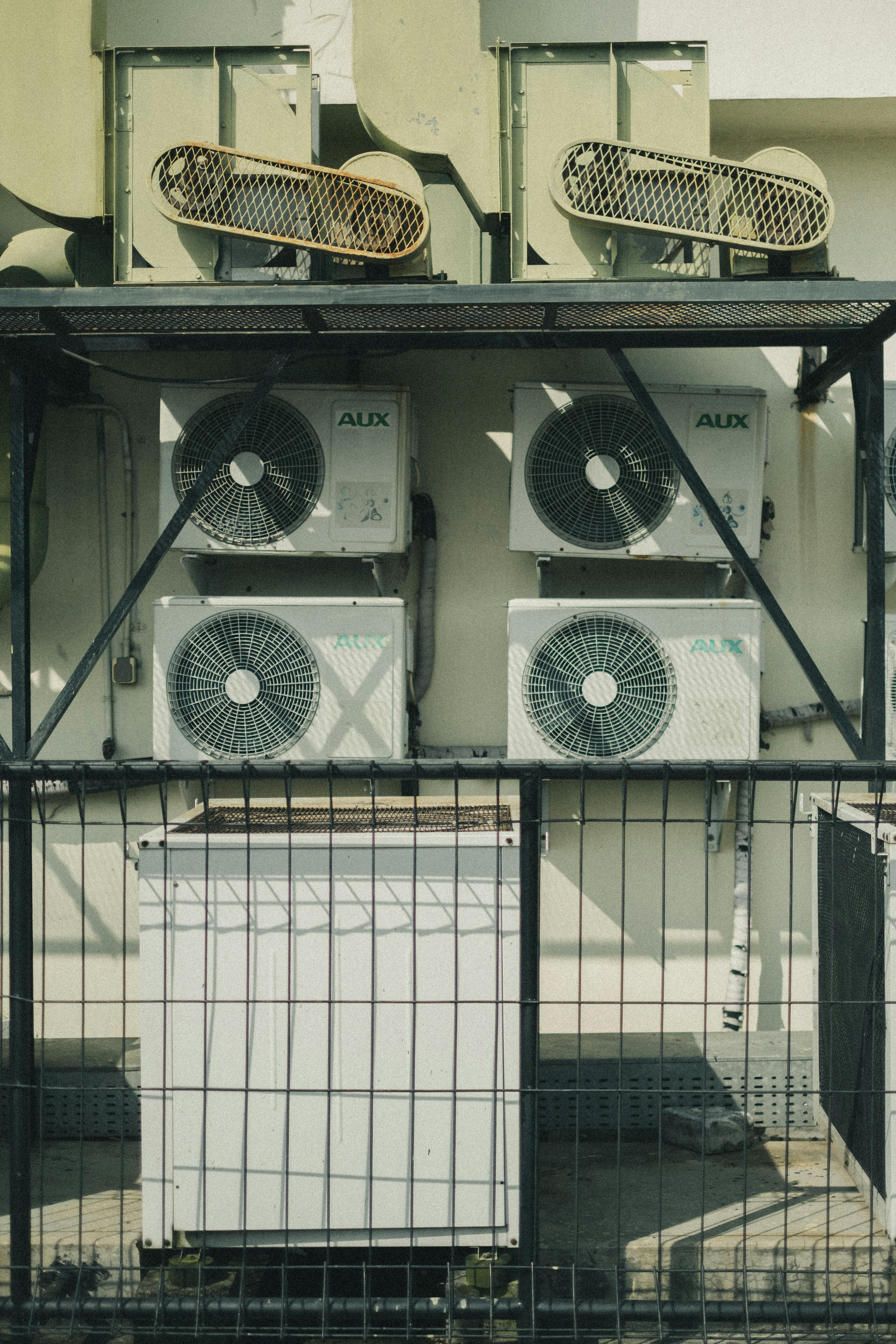
The Role of HVAC Systems in Enhancing Energy Efficiency in Retail Spaces Jul 11, 2026
HVAC systems are the backbone of a comfortable retail space. When they're performing optimally, HVAC systems help in maintaining an ideal temperature, controlling humidity, and ensuring adequate ventilation. However, poorly maintained systems can lead to higher energy bills, affect customer comfort, and even damage merchandise. Consequently, investing in energy-efficient HVAC solutions can offer considerable benefits for retail businesses.
The selection of the right HVAC system is the first step towards achieving energy efficiency. It's essential to choose a system that is tailored to the specific needs and size of the retail space. Installing systems that are too large can lead to unnecessary energy consumption, while undersized systems may fail to provide adequate temperature control. Working with a professional HVAC service provider, like Concord Mechanical, ensures that the system installed is perfectly suited to the retail space, thus optimizing energy usage.
Regular maintenance of HVAC systems is another critical component in enhancing energy efficiency. Dust, debris, and other obstructions can cause HVAC systems to work harder than necessary, leading to increased energy consumption. By scheduling regular check-ups and cleaning, retail stores can improve system efficiency and extend its lifespan. Concord Mechanical offers comprehensive maintenance services that can help identify potential issues before they become costly problems.
Moreover, advancements in HVAC technology offer new opportunities for energy efficiency. For example, smart thermostats and automated controls allow for more precise adjustments, offering significant savings in energy costs. These smart systems can adapt to the daily schedule of the retail space, adjusting heating and cooling in response to foot traffic and changing weather conditions. Integrating such technologies can lead to lower energy consumption without compromising on comfort.
Additionally, improving insulation and sealing leaks in ductwork can significantly boost the performance of an HVAC system. Heat loss due to leaks or inadequate insulation can account for substantial energy waste. Concord Mechanical recommends an energy audit to identify potential areas of improvement, which can often lead to simple yet effective measures that enhance overall efficiency.
Employee training also plays a pivotal role in maintaining HVAC efficiency. Staff should be aware of the guidelines for using HVAC systems effectively and should be trained to spot early signs of issues that could affect efficiency. This awareness can lead to quicker responses to potential problems, maintaining a well-functioning system that consumes less energy.
In conclusion, the role of HVAC systems in enhancing energy efficiency in retail spaces is undoubtedly significant. From selecting the right system to ensuring regular maintenance and embracing innovative technologies, there are numerous strategies that retail businesses can adopt. By working with experienced service providers like Concord Mechanical, retailers can not only improve their energy efficiency but also enhance their overall operational effectiveness. Prioritizing HVAC efficiency is a step toward greater sustainability and reduced operational costs, ultimately benefiting both the environment and the retail business's bottom line.
/filters:no_upscale()/filters:format(webp)/media/f33566a9-7675-47e0-b514-5506146551be.jpeg)
/filters:no_upscale()/filters:format(webp)/media/da1d9e96-6767-4a06-b76f-5f7234dda726.jpeg)