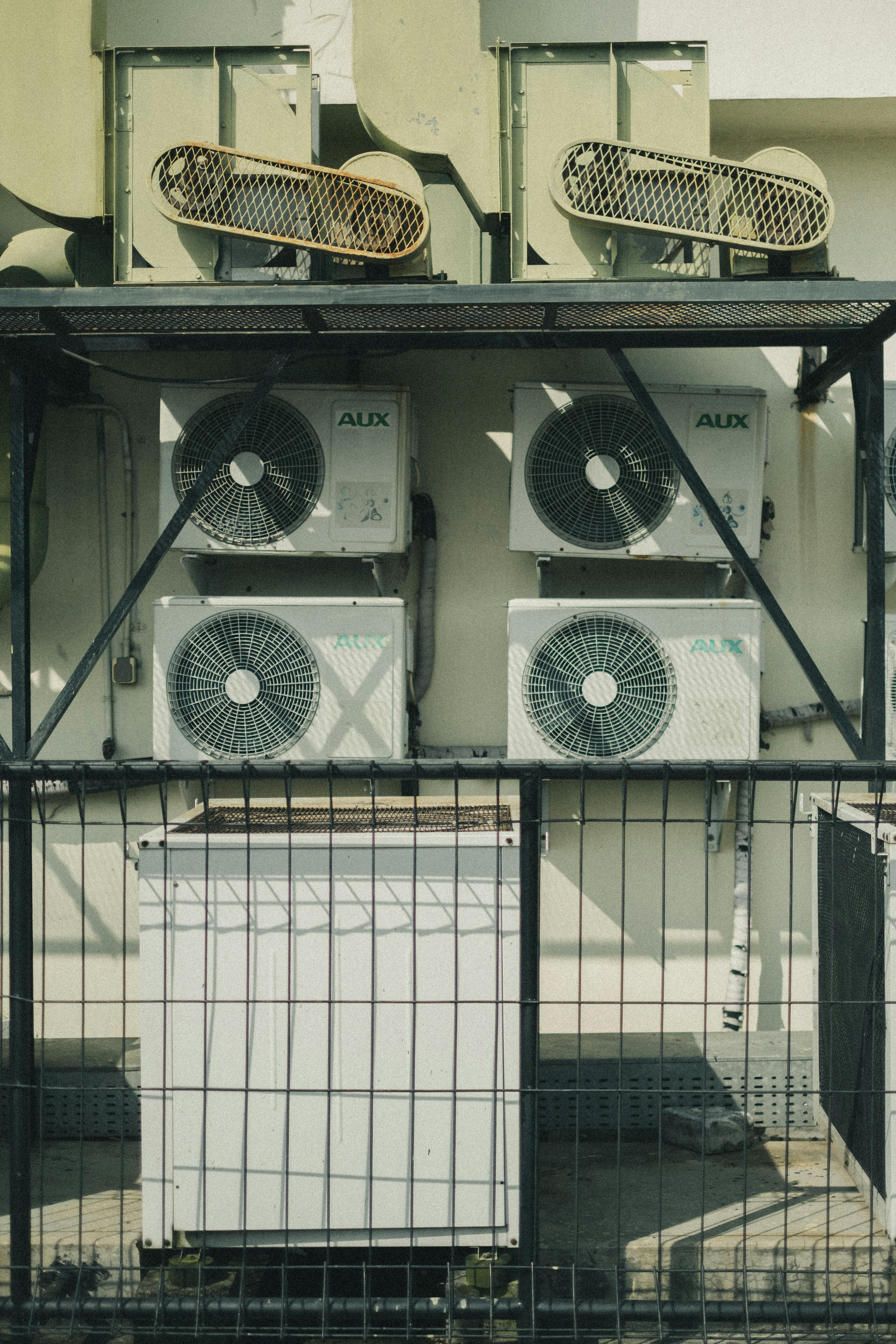
Understanding the Benefits of Variable Refrigerant Flow (VRF) Systems in Commercial Buildings Oct 27, 2025
A VRF system is a sophisticated HVAC solution that offers precise temperature control. Unlike traditional systems, VRF technology allows for variable control of refrigerant flow, providing exact heating and cooling in specific areas across large spaces. This feature ensures maximum comfort without unnecessary energy consumption, appealing to businesses aiming for greener operations.
One of the prominent benefits of VRF systems is their energy efficiency. By modulating the refrigerant flow instead of operating on a constant speed, VRF systems adjust to the building's specific needs throughout the day. This modulation means that the system only uses the amount of energy required to maintain the desired indoor temperature, significantly reducing energy consumption compared to conventional HVAC systems. For building owners, this translates into lower utility bills and a smaller carbon footprint.
Another advantage of VRF systems is their flexibility and scalability. Commercial buildings often have varied and unique spatial configurations, which can make traditional HVAC systems inefficient or difficult to install. VRF systems, by contrast, can seamlessly adapt to different spaces and are capable of heating and cooling multiple zones within the same structure. This zoned approach allows occupants in different areas to control their specific climate settings, enhancing overall comfort and satisfaction.
Not only is VRF efficient and flexible, but it's also relatively easy to install and maintain. Many components of a VRF system are compact, simplifying the installation process in buildings with limited space. Additionally, because VRF systems typically require less ductwork than traditional HVAC systems, they can save both space and materials during construction or retrofit projects. Maintenance is also often more straightforward due to the design of these systems, which can lead to reduced service costs over the lifespan of the system.
Moreover, VRF systems are known for their quiet operation compared to conventional HVAC options. In commercial environments, noisy HVAC systems can be disruptive, particularly in office settings or areas that demand a quiet environment. VRF systems are designed to minimize noise, ensuring a more pleasant and productive atmosphere for employees and customers alike.
In conclusion, choosing a VRF system for your commercial building brings several compelling benefits, from enhanced energy efficiency and cost savings to flexible installation and quiet operation. As businesses increasingly prioritize sustainability and efficiency, VRF systems offer an ideal solution for managing indoor climates. Concord Mechanical INC, with its expertise in HVAC services, can guide you through the process of integrating this advanced technology into your building. By investing in a VRF system, you're not only optimizing for comfort and efficiency but also contributing to a more sustainable future for your business and the environment.
/filters:no_upscale()/filters:format(webp)/media/f33566a9-7675-47e0-b514-5506146551be.jpeg)
/filters:no_upscale()/filters:format(webp)/media/da1d9e96-6767-4a06-b76f-5f7234dda726.jpeg)